
Women’s Health Check-ups During and After Pregnancy


Women’s Health Check-ups During and After Pregnancy
 By Inventive Minds Kidz Academy
 Added Mon, May 11 2026
By Inventive Minds Kidz Academy
Added Mon, May 11 2026
By Inventive Minds Kidz Academy
Added Mon, May 11 2026
Hey, Thanks For Subscribing!
Please check for a confirmation message and ensure you add us to a safe email list.
If you don't see a message in the next five minutes, check your spam or junk folders and mark our emails safe for next time.
See you soon!
Duplicate Email Found!
Well this is embarrassing... It looks like is already registered.
We have just sent an email to that address with a link to manage the subscription with us. If you don't see a message in the next five minutes, check the spam or junk folders, it's definitely there.
See you soon!

Pregnancy and the postpartum period are areas of tremendous transformation of a woman’s body, requiring comprehensive medical care to make sure of the well-being of both mother and child. With the advancement of medicine in past few decades, regular health check-ups have found a crucial role in monitoring maternal and fetal health, identifying potential complications, and providing essential guidance on nutrition, lifestyle, and even mental health. According to Williams Obstetrics, "A comprehensive antepartum program involves a coordinated approach to medical care, continuous risk assessment, and psychosocial support that optimally begins before pregnancy and extends throughout the postpartum and interpregnancy period." This article will discuss prenatal and postnatal visits and health checkups for mothers.
Prenatal Check-ups
Initial Prenatal Visit
The first visit during pregnancy is a comprehensive assessment that sets the foundation of a healthy pregnancy. It is typically performed sometime around 6-8 weeks of pregnancy and usually includes a detailed medical history evaluation, physical examination, and doing some lab tests. These components help in identifying risk factors that may impact pregnancy and it’s outcomes.
Components of initial visit usually include a medical and obstetric history. These findings are reviewed to detect any pre-existing conditions such as hypertension, diabetes, or thyroid disorders. A physical examination assesses weight, blood pressure, and pelvic anatomy, ensuring that any abnormalities are addressed early. Some laboratory tests are performed to evaluate blood type, Rh factor, hemoglobin levels, and infections such as syphilis, hepatitis B, HIV, and rubella immunity. Additionally, urine tests help detect infections or proteinuria that could indicate pregnancy complications.
Another important part of initial visit is US. Ultrasound is a key component of the initial visit as it confirms gestational age and rules out conditions such as ectopic pregnancy. According to Williams Obstetrics, "Major goals are to define the health status of the mother and fetus, estimate gestational age, and initiate a plan for continued obstetrical care." Early prenatal care significantly reduces maternal and fetal risks, ensuring a smooth pregnancy journey.
Routine Prenatal Visits
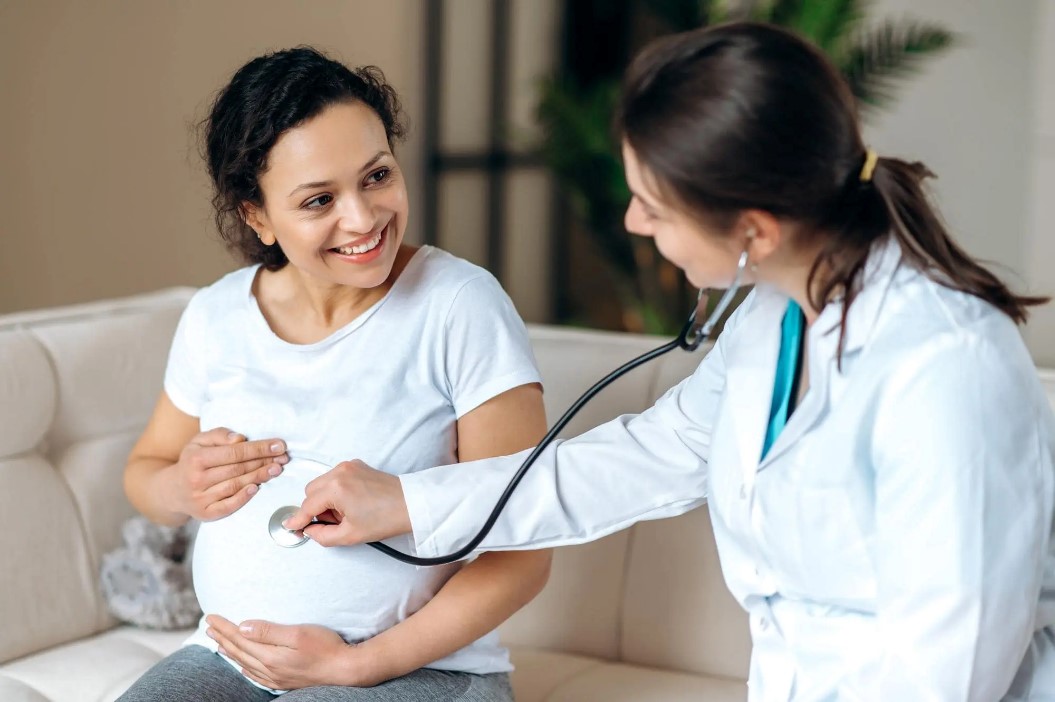
After the initial visits, pregnant mothers should be visited routinely throughout pregnancy. Routine prenatal visits are important for monitoring pregnancy progression and detecting any emerging complications throughout the pregnancy. These visits are typically scheduled every four weeks until 28 weeks of gestation, after that every two weeks until 36 weeks, and weekly thereafter. Each visit includes assessing maternal weight, blood pressure, and fetal heart rate, ensuring that both mother and baby are progressing well.
As pregnancy advances, additional screenings are conducted. Between 24 and 28 weeks, a gestational diabetes screening lab test is performed to detect abnormal glucose levels that could pose risks to the baby. Fetal growth is monitored through fundal height measurements, which provide an estimate of the baby's size. Later in pregnancy, fetal position and well-being are assessed to determine the safest mode of delivery. According to Williams Obstetrics, "A fivefold increased risk for maternal death has been identified in women who received no prenatal care." This highlights the critical importance of adhering to regular check-ups.
Common Prenatal Screenings
Genetic and Chromosomal Screening: Prenatal screenings help detect genetic and chromosomal conditions such as Down syndrome and neural tube defects. First-trimester screening, conducted between 10-14 weeks, includes measurement of NT in ultrasonography and blood workout. Second-trimester screening (15-20 weeks) involves maternal serum alpha-fetoprotein testing, which helps identify conditions such as spina bifida.
These screenings are essential in preparing parents for potential challenges and making informed medical decisions. If any abnormality is detected, further diagnostic tests such as amniocentesis or chorionic villus sampling might be recommended.
Gestational Diabetes Screening: Gestational diabetes mellitus (GDM) is a common pregnancy complication that affects blood sugar regulation. Non gestational diabetes is usually studied in the initial screening. GDM is typically screened between 24 and 28 weeks using an oral glucose tolerance test. GDM can lead to excessive fetal growth, birth injuries, and neonatal hypoglycemia. According to Williams Obstetrics, "Gestational diabetes is associated with increased risks of macrosomia, birth injuries, and neonatal hypoglycemia." Proper management through diet, exercise, and, in some cases, insulin therapy can help prevent complications.
Group B Streptococcus Screening: Group B Streptococcus (GBS) is a bacteria that commonly infects birth giving mothers. This bacterial infection can be transmitted to the baby during delivery, leading to severe complications such as pneumonia or meningitis. Screening is performed between 35 and 37 weeks through vaginal and rectal swabs. If results are positive, antibiotics are administered during labor to prevent transmission. GBS screening is a crucial step in ensuring newborn safety and reducing neonatal infections.
Postpartum Check-ups
Immediate Postpartum Care
The following three months after delivery (post-partum) often referred to as the "fourth trimester," is a critical time for both physical recovery and emotional well-being. Following childbirth, women usually undergo significant physiological changes that require close monitoring. Postpartum check-ups begin immediately after delivery in hospital to assess for complications such as postpartum hemorrhage, infections, or deep vein thrombosis.
Breastfeeding support is also an integral part of immediate postpartum care. Many new mothers face challenges such as latch issues, low milk supply, or mastitis. Early lactation support helps ensure successful breastfeeding, benefiting both mother and baby. Mental health screening is equally important, as postpartum depression and anxiety are common concerns. Women are encouraged to communicate any emotional struggles to their healthcare provider.
Family planning discussions are also initiated during this period. Women are counseled on contraceptive options, including hormonal methods, intrauterine devices, and natural family planning. According to Williams Obstetrics, "Comprehensive postpartum care should address recovery from childbirth, review health concerns, and provide family planning guidance."

Six-Week Postpartum Visit
The six-week postpartum check-up is a comprehensive evaluation of a woman’s recovery. This visit includes a pelvic exam to assess uterine involution and healing of any perineal or cesarean incisions. Healthcare providers also discuss contraceptive plans to ensure that women have an appropriate method in place.
Mental health is another crucial component of this visit. Postpartum depression affects up to 15% of women, with symptoms such as persistent sadness, fatigue, and difficulty bonding with the baby. Post partum anxiety and depression will be discussed in another article.
For breastfeeding mothers, lactation support is provided to address concerns such as nipple pain, insufficient milk supply, or feeding difficulties. The six-week check-up serves as a critical milestone in ensuring that new mothers receive the necessary support to transition into motherhood successfully.
Nutritional and Lifestyle Recommendations
Dietary Guidelines
Proper nutrition is fundamental to a healthy pregnancy and postpartum recovery. A well-balanced diet provides essential nutrients that support fetal development and maternal well-being. The Institute of Medicine recommends a daily intake of at least 71 grams of protein, 30 mg of iron, and 400-800 mcg of folic acid. These nutrients are crucial for preventing anemia, promoting fetal growth, and reducing the risk of neural tube defects.
Weight gain recommendations vary based on pre-pregnancy BMI. Underweight women are advised to gain more weight, whereas overweight women should focus on controlled weight gain to avoid complications such as gestational diabetes and hypertension. According to Williams Obstetrics, "The recommended weight gain during pregnancy varies by pre-pregnancy BMI, with underweight women advised to gain more than overweight women."
Exercise and Physical Activity
Exercise plays a vital role in pregnancy and postpartum health. Regular physical activity helps reduce the risk of gestational diabetes, improves cardiovascular health, and supports mental well-being. Low-impact activities such as walking, swimming, and prenatal yoga are highly recommended.
After delivery, women should gradually resume exercise. The American College of Obstetricians and Gynecologists advises at least 150 minutes of moderate-intensity exercise per week for postpartum women. Physical activity also aids in postpartum weight loss and enhances overall well-being.

Authored by:
Dr. Alireza Sarmadi
Family Physician
References
Williams textbook of obstetrics 26e
Pregnancy and the postpartum period are areas of tremendous transformation of a woman’s body, requiring comprehensive medical care to make sure of the well-being of both mother and child. With the advancement of medicine in past few decades, regular health check-ups have found a crucial role in monitoring maternal and fetal health, identifying potential complications, and providing essential guidance on nutrition, lifestyle, and even mental health. According to Williams Obstetrics, "A comprehensive antepartum program involves a coordinated approach to medical care, continuous risk assessment, and psychosocial support that optimally begins before pregnancy and extends throughout the postpartum and interpregnancy period." This article will discuss prenatal and postnatal visits and health checkups for mothers.
Prenatal Check-ups
Initial Prenatal Visit
The first visit during pregnancy is a comprehensive assessment that sets the foundation of a healthy pregnancy. It is typically performed sometime around 6-8 weeks of pregnancy and usually includes a detailed medical history evaluation, physical examination, and doing some lab tests. These components help in identifying risk factors that may impact pregnancy and it’s outcomes.
Components of initial visit usually include a medical and obstetric history. These findings are reviewed to detect any pre-existing conditions such as hypertension, diabetes, or thyroid disorders. A physical examination assesses weight, blood pressure, and pelvic anatomy, ensuring that any abnormalities are addressed early. Some laboratory tests are performed to evaluate blood type, Rh factor, hemoglobin levels, and infections such as syphilis, hepatitis B, HIV, and rubella immunity. Additionally, urine tests help detect infections or proteinuria that could indicate pregnancy complications.
Another important part of initial visit is US. Ultrasound is a key component of the initial visit as it confirms gestational age and rules out conditions such as ectopic pregnancy. According to Williams Obstetrics, "Major goals are to define the health status of the mother and fetus, estimate gestational age, and initiate a plan for continued obstetrical care." Early prenatal care significantly reduces maternal and fetal risks, ensuring a smooth pregnancy journey.
Routine Prenatal Visits
After the initial visits, pregnant mothers should be visited routinely throughout pregnancy. Routine prenatal visits are important for monitoring pregnancy progression and detecting any emerging complications throughout the pregnancy. These visits are typically scheduled every four weeks until 28 weeks of gestation, after that every two weeks until 36 weeks, and weekly thereafter. Each visit includes assessing maternal weight, blood pressure, and fetal heart rate, ensuring that both mother and baby are progressing well.
As pregnancy advances, additional screenings are conducted. Between 24 and 28 weeks, a gestational diabetes screening lab test is performed to detect abnormal glucose levels that could pose risks to the baby. Fetal growth is monitored through fundal height measurements, which provide an estimate of the baby's size. Later in pregnancy, fetal position and well-being are assessed to determine the safest mode of delivery. According to Williams Obstetrics, "A fivefold increased risk for maternal death has been identified in women who received no prenatal care." This highlights the critical importance of adhering to regular check-ups.
Common Prenatal Screenings
Genetic and Chromosomal Screening: Prenatal screenings help detect genetic and chromosomal conditions such as Down syndrome and neural tube defects. First-trimester screening, conducted between 10-14 weeks, includes measurement of NT in ultrasonography and blood workout. Second-trimester screening (15-20 weeks) involves maternal serum alpha-fetoprotein testing, which helps identify conditions such as spina bifida.
These screenings are essential in preparing parents for potential challenges and making informed medical decisions. If any abnormality is detected, further diagnostic tests such as amniocentesis or chorionic villus sampling might be recommended.
Gestational Diabetes Screening: Gestational diabetes mellitus (GDM) is a common pregnancy complication that affects blood sugar regulation. Non gestational diabetes is usually studied in the initial screening. GDM is typically screened between 24 and 28 weeks using an oral glucose tolerance test. GDM can lead to excessive fetal growth, birth injuries, and neonatal hypoglycemia. According to Williams Obstetrics, "Gestational diabetes is associated with increased risks of macrosomia, birth injuries, and neonatal hypoglycemia." Proper management through diet, exercise, and, in some cases, insulin therapy can help prevent complications.
Group B Streptococcus Screening: Group B Streptococcus (GBS) is a bacteria that commonly infects birth giving mothers. This bacterial infection can be transmitted to the baby during delivery, leading to severe complications such as pneumonia or meningitis. Screening is performed between 35 and 37 weeks through vaginal and rectal swabs. If results are positive, antibiotics are administered during labor to prevent transmission. GBS screening is a crucial step in ensuring newborn safety and reducing neonatal infections.
Postpartum Check-ups
Immediate Postpartum Care
The following three months after delivery (post-partum) often referred to as the "fourth trimester," is a critical time for both physical recovery and emotional well-being. Following childbirth, women usually undergo significant physiological changes that require close monitoring. Postpartum check-ups begin immediately after delivery in hospital to assess for complications such as postpartum hemorrhage, infections, or deep vein thrombosis.
Breastfeeding support is also an integral part of immediate postpartum care. Many new mothers face challenges such as latch issues, low milk supply, or mastitis. Early lactation support helps ensure successful breastfeeding, benefiting both mother and baby. Mental health screening is equally important, as postpartum depression and anxiety are common concerns. Women are encouraged to communicate any emotional struggles to their healthcare provider.
Family planning discussions are also initiated during this period. Women are counseled on contraceptive options, including hormonal methods, intrauterine devices, and natural family planning. According to Williams Obstetrics, "Comprehensive postpartum care should address recovery from childbirth, review health concerns, and provide family planning guidance."
Six-Week Postpartum Visit
The six-week postpartum check-up is a comprehensive evaluation of a woman’s recovery. This visit includes a pelvic exam to assess uterine involution and healing of any perineal or cesarean incisions. Healthcare providers also discuss contraceptive plans to ensure that women have an appropriate method in place.
Mental health is another crucial component of this visit. Postpartum depression affects up to 15% of women, with symptoms such as persistent sadness, fatigue, and difficulty bonding with the baby. Post partum anxiety and depression will be discussed in another article.
For breastfeeding mothers, lactation support is provided to address concerns such as nipple pain, insufficient milk supply, or feeding difficulties. The six-week check-up serves as a critical milestone in ensuring that new mothers receive the necessary support to transition into motherhood successfully.
Nutritional and Lifestyle Recommendations
Dietary Guidelines
Proper nutrition is fundamental to a healthy pregnancy and postpartum recovery. A well-balanced diet provides essential nutrients that support fetal development and maternal well-being. The Institute of Medicine recommends a daily intake of at least 71 grams of protein, 30 mg of iron, and 400-800 mcg of folic acid. These nutrients are crucial for preventing anemia, promoting fetal growth, and reducing the risk of neural tube defects.
Weight gain recommendations vary based on pre-pregnancy BMI. Underweight women are advised to gain more weight, whereas overweight women should focus on controlled weight gain to avoid complications such as gestational diabetes and hypertension. According to Williams Obstetrics, "The recommended weight gain during pregnancy varies by pre-pregnancy BMI, with underweight women advised to gain more than overweight women."
Exercise and Physical Activity
Exercise plays a vital role in pregnancy and postpartum health. Regular physical activity helps reduce the risk of gestational diabetes, improves cardiovascular health, and supports mental well-being. Low-impact activities such as walking, swimming, and prenatal yoga are highly recommended.
After delivery, women should gradually resume exercise. The American College of Obstetricians and Gynecologists advises at least 150 minutes of moderate-intensity exercise per week for postpartum women. Physical activity also aids in postpartum weight loss and enhances overall well-being.
Authored by:
Dr. Alireza Sarmadi
Family Physician
References
Williams textbook of obstetrics 26e
Most Talked About Posts

You May Also Like
Staff Picks

Pediatric Allergies: Causes, Symptoms, and Management Strategies

11 Red Flags Indicating an Unhealthy Relationship

PTSD - What Causes Post Traumatic Stress Disorder and Why It's Important to Talk About it

Now Trending





Our Newsletter
Duplicate Email Found!
Well this is embarrassing... It looks like is already registered.
We have just sent an email to that address with a link to manage the subscription with us. If you don't see a message in the next five minutes, check the spam or junk folders, it's definitely there.
See you soon!

Join Our Newsletter
Hey, Thanks For Subscribing!
Please check for a confirmation message and ensure you add us to a safe email list.
If you don't see a message in the next five minutes, check your spam or junk folders and mark our emails safe for next time.
See you soon!
Duplicate Email Found!
Well this is embarrassing... It looks like is already registered.
We have just sent an email to that address with a link to manage the subscription with us. If you don't see a message in the next five minutes, check the spam or junk folders, it's definitely there.
See you soon!