
Wheezing in Infants and Preschool Children: What Parents Need to Know


Wheezing in Infants and Preschool Children: What Parents Need to Know
 By Inventive Minds Kidz Academy
 Added Mon, Jun 22 2026
By Inventive Minds Kidz Academy
Added Mon, Jun 22 2026
By Inventive Minds Kidz Academy
Added Mon, Jun 22 2026
Hey, Thanks For Subscribing!
Please check for a confirmation message and ensure you add us to a safe email list.
If you don't see a message in the next five minutes, check your spam or junk folders and mark our emails safe for next time.
See you soon!
Duplicate Email Found!
Well this is embarrassing... It looks like is already registered.
We have just sent an email to that address with a link to manage the subscription with us. If you don't see a message in the next five minutes, check the spam or junk folders, it's definitely there.
See you soon!
What Is Wheezing?
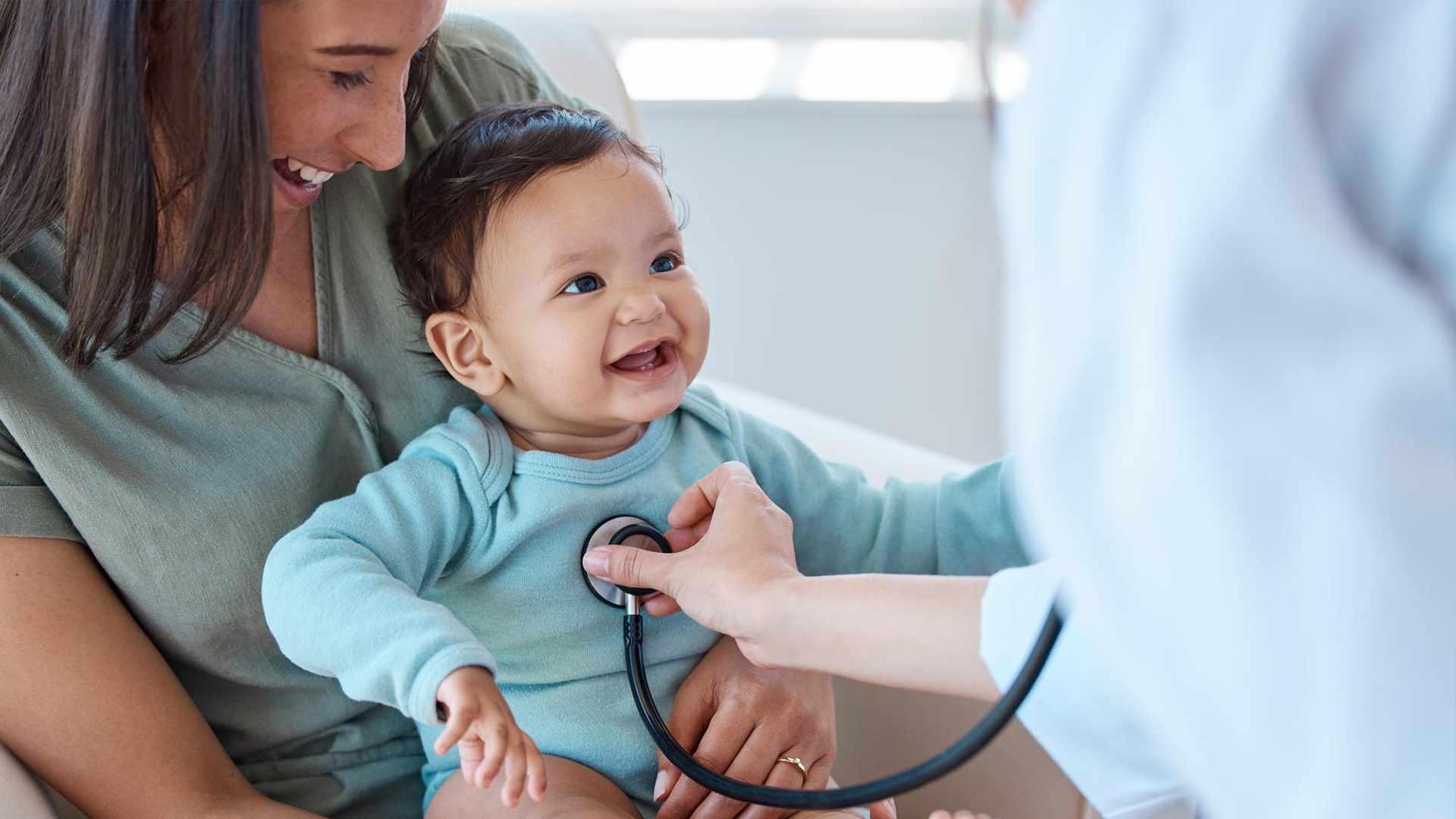
Wheezing is one of the most common respiratory problems in infants and children. It is typically heard during exhalation and occurs when the airways become narrowed. Approximately half of all children experience wheezing at least once during their early years of life. In many cases, wheezing is temporary and resolves as the child grows. However, it can sometimes be a sign of conditions such as asthma or allergies.
Why Are Infants More Prone to Wheezing?
Infants have much narrower airways than older children. As a result, even a small amount of inflammation or mucus can significantly narrow the airways and lead to wheezing.
Common Causes of Wheezing in Infants and Preschool Children
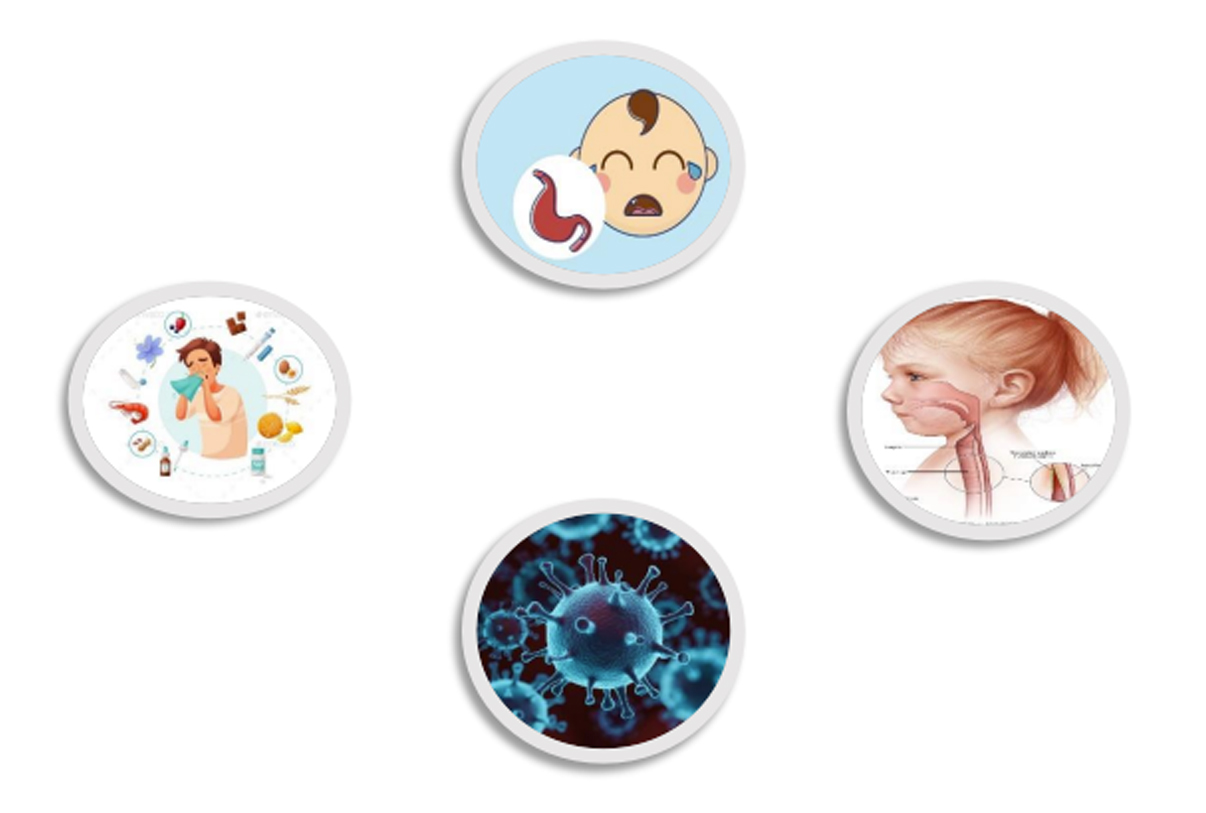
The most common cause of wheezing in both infants and preschool children is viral respiratory infections, including RSV, rhinovirus, influenza, parainfluenza, and human metapneumovirus. As children grow older, asthma and allergies become increasingly important causes of recurrent wheezing. Other possible causes include gastroesophageal reflux, congenital airway abnormalities, environmental allergies such as dust mites, mold, pet dander, and pollen, as well as foreign body aspiration. Because wheezing can result from a variety of conditions, medical evaluation is important, particularly when symptoms are severe, recurrent, or occur suddenly.
Important Risk Factors
Several factors can increase a child's risk of developing wheezing and asthma. Children with a family history of asthma or allergies are more likely to experience recurrent wheezing. Environmental factors such as air pollution and exposure to respiratory irritants may also contribute to airway inflammation. In addition, premature birth, low birth weight, severe respiratory infections during the first years of life, food allergies, and eczema have all been associated with an increased risk of wheezing and the later development of asthma. Recognizing these risk factors can help parents and healthcare providers identify children who may benefit from closer monitoring and early intervention.
Types of Wheezing in Children
Some children experience transient wheezing, which develops during the early years of life and usually resolves before they reach school age. Others have persistent wheezing that begins in early childhood and may continue for several years. This type is more strongly associated with asthma and allergies. In some cases, wheezing begins after three years of age, and these children have a higher likelihood of developing asthma.
How Do Doctors Determine the Cause of Wheezing?
To identify the cause of wheezing, doctors first ask about the age at which symptoms began, their relationship to respiratory infections, any family history of asthma or allergies, and the pattern of symptoms. A physical examination is then performed to assess the severity of breathing difficulties, detect wheezing, and evaluate the child's overall growth and development. When necessary, additional investigations may include blood tests, allergy testing, chest X-rays, or other specialized diagnostic studies.
When Should You Seek Immediate Medical Attention?
Although many episodes of wheezing improve with appropriate care, some symptoms require urgent medical evaluation. Parents should seek immediate medical attention if their child develops rapid or labored breathing, noticeable chest retractions during breathing, bluish discoloration of the lips or face, unusual drowsiness or decreased responsiveness, difficulty drinking fluids, or severe and sudden-onset wheezing. Immediate assessment is also necessary if there is any suspicion that the child may have inhaled a foreign object. Early medical intervention in these situations can help prevent serious complications and ensure the child receives appropriate treatment as quickly as possible.
Home Care: The Most Important Role of Parents During Illness
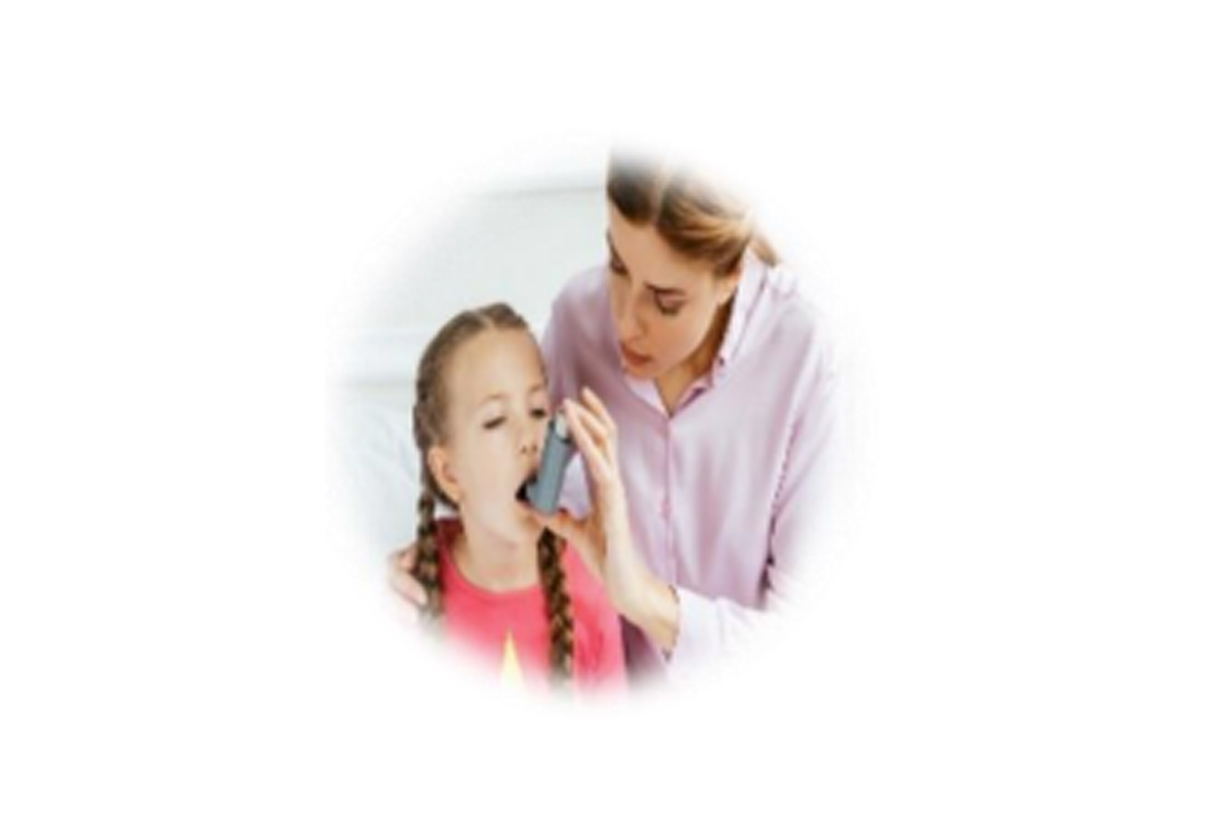
In many cases, wheezing improves with appropriate home care. Parents can help reduce symptoms and make breathing easier by providing a calm environment and following a few simple measures. Ensuring adequate fluid intake is essential because fluids help thin airway secretions. For infants, continued breastfeeding or formula feeding as usual is recommended. The air in the home should be kept clean. Exposure to indoor pollutants can worsen wheezing. It is also advisable to avoid using strong perfumes, aerosol sprays, and heavily scented cleaning products around the child. Nasal saline drops or sprays can be particularly helpful for infants and young children by clearing the nasal passages and improving breathing. If necessary, nasal suction devices may be used after consulting a healthcare professional. Adequate rest and sleep play an important role in recovery. Slightly elevating the child's head during rest, when safe and age-appropriate, may help improve breathing comfort. Parents should carefully monitor for warning signs. If wheezing worsens, breathing becomes faster, chest retractions develop, the lips or face turn blue, alertness decreases, the child refuses fluids, or any severe breathing difficulty occurs, immediate medical evaluation is required. It is important to remember that inhaled medications, syrups, and other treatments should only be used as prescribed by a healthcare provider. Parents should avoid giving medications without medical advice.
A Final Message for Parents
Wheezing is one of the most common respiratory symptoms during childhood and is most often caused by viral infections. However, asthma, allergies, gastroesophageal reflux, environmental factors, and certain congenital conditions may also contribute. Identifying the underlying cause of wheezing is essential because timely and appropriate treatment can prevent complications, improve respiratory health, and support your child's overall well-being.

Author:
Dr.Akhlaghipor, MD
What Is Wheezing?
Wheezing is one of the most common respiratory problems in infants and children. It is typically heard during exhalation and occurs when the airways become narrowed. Approximately half of all children experience wheezing at least once during their early years of life. In many cases, wheezing is temporary and resolves as the child grows. However, it can sometimes be a sign of conditions such as asthma or allergies.
Why Are Infants More Prone to Wheezing?
Infants have much narrower airways than older children. As a result, even a small amount of inflammation or mucus can significantly narrow the airways and lead to wheezing.
Common Causes of Wheezing in Infants and Preschool Children
The most common cause of wheezing in both infants and preschool children is viral respiratory infections, including RSV, rhinovirus, influenza, parainfluenza, and human metapneumovirus. As children grow older, asthma and allergies become increasingly important causes of recurrent wheezing. Other possible causes include gastroesophageal reflux, congenital airway abnormalities, environmental allergies such as dust mites, mold, pet dander, and pollen, as well as foreign body aspiration. Because wheezing can result from a variety of conditions, medical evaluation is important, particularly when symptoms are severe, recurrent, or occur suddenly.
Important Risk Factors
Several factors can increase a child's risk of developing wheezing and asthma. Children with a family history of asthma or allergies are more likely to experience recurrent wheezing. Environmental factors such as air pollution and exposure to respiratory irritants may also contribute to airway inflammation. In addition, premature birth, low birth weight, severe respiratory infections during the first years of life, food allergies, and eczema have all been associated with an increased risk of wheezing and the later development of asthma. Recognizing these risk factors can help parents and healthcare providers identify children who may benefit from closer monitoring and early intervention.
Types of Wheezing in Children
Some children experience transient wheezing, which develops during the early years of life and usually resolves before they reach school age. Others have persistent wheezing that begins in early childhood and may continue for several years. This type is more strongly associated with asthma and allergies. In some cases, wheezing begins after three years of age, and these children have a higher likelihood of developing asthma.
How Do Doctors Determine the Cause of Wheezing?
To identify the cause of wheezing, doctors first ask about the age at which symptoms began, their relationship to respiratory infections, any family history of asthma or allergies, and the pattern of symptoms. A physical examination is then performed to assess the severity of breathing difficulties, detect wheezing, and evaluate the child's overall growth and development. When necessary, additional investigations may include blood tests, allergy testing, chest X-rays, or other specialized diagnostic studies.
When Should You Seek Immediate Medical Attention?
Although many episodes of wheezing improve with appropriate care, some symptoms require urgent medical evaluation. Parents should seek immediate medical attention if their child develops rapid or labored breathing, noticeable chest retractions during breathing, bluish discoloration of the lips or face, unusual drowsiness or decreased responsiveness, difficulty drinking fluids, or severe and sudden-onset wheezing. Immediate assessment is also necessary if there is any suspicion that the child may have inhaled a foreign object. Early medical intervention in these situations can help prevent serious complications and ensure the child receives appropriate treatment as quickly as possible.
Home Care: The Most Important Role of Parents During Illness
In many cases, wheezing improves with appropriate home care. Parents can help reduce symptoms and make breathing easier by providing a calm environment and following a few simple measures. Ensuring adequate fluid intake is essential because fluids help thin airway secretions. For infants, continued breastfeeding or formula feeding as usual is recommended. The air in the home should be kept clean. Exposure to indoor pollutants can worsen wheezing. It is also advisable to avoid using strong perfumes, aerosol sprays, and heavily scented cleaning products around the child. Nasal saline drops or sprays can be particularly helpful for infants and young children by clearing the nasal passages and improving breathing. If necessary, nasal suction devices may be used after consulting a healthcare professional. Adequate rest and sleep play an important role in recovery. Slightly elevating the child's head during rest, when safe and age-appropriate, may help improve breathing comfort. Parents should carefully monitor for warning signs. If wheezing worsens, breathing becomes faster, chest retractions develop, the lips or face turn blue, alertness decreases, the child refuses fluids, or any severe breathing difficulty occurs, immediate medical evaluation is required. It is important to remember that inhaled medications, syrups, and other treatments should only be used as prescribed by a healthcare provider. Parents should avoid giving medications without medical advice.
A Final Message for Parents
Wheezing is one of the most common respiratory symptoms during childhood and is most often caused by viral infections. However, asthma, allergies, gastroesophageal reflux, environmental factors, and certain congenital conditions may also contribute. Identifying the underlying cause of wheezing is essential because timely and appropriate treatment can prevent complications, improve respiratory health, and support your child's overall well-being.
Author:
Dr.Akhlaghipor, MD
Most Talked About Posts

You May Also Like
Staff Picks

Postpartum Fatigue and Ways to Overcome It

Managing Behavioral Challenges in Preschoolers: Effective Parenting Strategies for Ages 2 to 5

The Gut–Brain Link in Children: Unlocking the Secret to Stronger Immunity, Focus, and Emotional Health

Now Trending



Our Newsletter
Duplicate Email Found!
Well this is embarrassing... It looks like is already registered.
We have just sent an email to that address with a link to manage the subscription with us. If you don't see a message in the next five minutes, check the spam or junk folders, it's definitely there.
See you soon!

Join Our Newsletter
Hey, Thanks For Subscribing!
Please check for a confirmation message and ensure you add us to a safe email list.
If you don't see a message in the next five minutes, check your spam or junk folders and mark our emails safe for next time.
See you soon!
Duplicate Email Found!
Well this is embarrassing... It looks like is already registered.
We have just sent an email to that address with a link to manage the subscription with us. If you don't see a message in the next five minutes, check the spam or junk folders, it's definitely there.
See you soon!