Post-Partum care: Recovering from Natural Vaginal Delivery and C-Section


Post-Partum care: Recovering from Natural Vaginal Delivery and C-Section
 By Inventive Minds Kidz Academy
 Added Fri, May 22 2026
By Inventive Minds Kidz Academy
Added Fri, May 22 2026
By Inventive Minds Kidz Academy
Added Fri, May 22 2026
Hey, Thanks For Subscribing!
Please check for a confirmation message and ensure you add us to a safe email list.
If you don't see a message in the next five minutes, check your spam or junk folders and mark our emails safe for next time.
See you soon!
Duplicate Email Found!
Well this is embarrassing... It looks like is already registered.
We have just sent an email to that address with a link to manage the subscription with us. If you don't see a message in the next five minutes, check the spam or junk folders, it's definitely there.
See you soon!
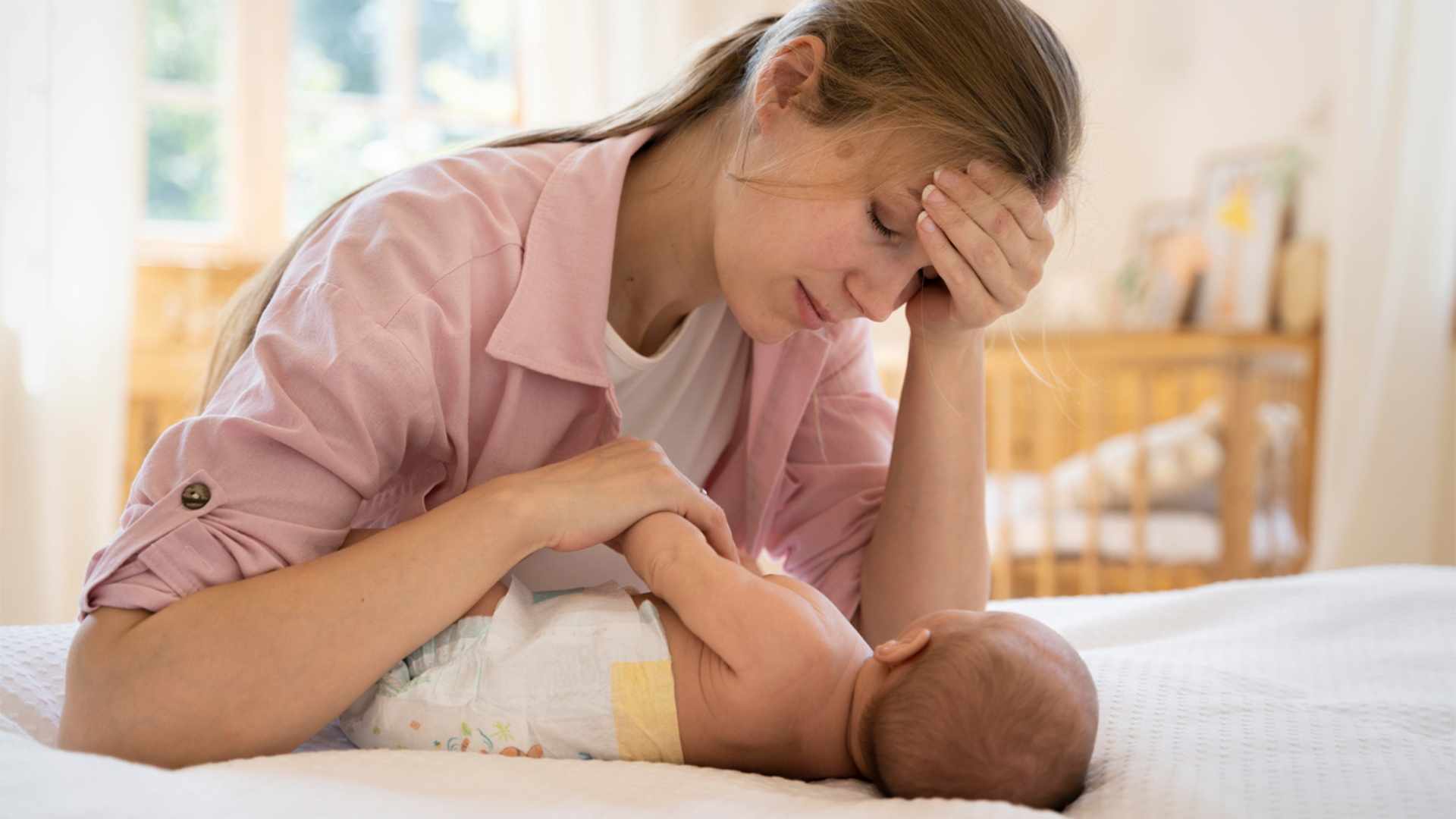
Throughout pregnancy, a mother’s body goes through a remarkable evolution. From creating the very first cells of another human, to fostering the embryo and providing for the ever-growing fetus and getting systems ready for production of breast milk. At the end of this cycle, there is birth giving, an event that is traumatic by its nature, whether through natural vaginal path or cesarian section. All of this occurring causes the importance of recovery period as the body tries to go back to its normal state. Each method presents unique healing processes, requiring specific medical attention and self-care measures. In this article we will discuss the important phase of recovering from birth-giving. As Williams Textbook of Obstetrics emphasizes, "The postpartum period is a critical time for maternal health, necessitating thorough follow-up and patient education to ensure optimal outcomes." We will discuss vaginal delivery and c-section in different sections of the article as they are fairly different from each other throughout the recovery phase. By having a good knowledge about this important topic and with adequate rest, nutrition, and support, mothers can navigate the postpartum period with greater ease, ensuring both their health and that of their newborns.
Recovering from a natural vaginal delivery
Recovering from takes time. women usually don’t feel completely like their pre-pregnancy selves again for a few months, though many feel mostly recovered after 6-8 weeks.
Two-thirds of babies in the U.S. are born through vaginal delivery. Whether you're in labor for 2 hours or 2 days, you'll probably need to stay in the hospital for 24-48 hours, depending on what you and your doctor decide. After you go home, your body will need a few weeks to recover fully. Here is what you can expect in the first few weeks and how to manage it in home.
Pain and discomfort:
There are many reasons behind pain in postpartum phase of NVD (natural vaginal delivery). This pain is often due to uterine contractions (also called afterpains). These contractions can feel like the cramps you have during your period and they happen because your uterus is shrinking. It goes from about 2.5 pounds right after delivery to just a couple of ounces 6 weeks later. The cotractions may worsen during breastfeeding. Williams Textbook of Obstetrics mentions that "afterpains, caused by intermittent uterine contractions, are more pronounced in multiparous women and during breastfeeding due to oxytocin release." acetaminophen is commonly recommended for pain relief unless there is a contraindication.
Another common source of pain after delivery is perineal soreness. During labor, the perineum (the area between the vagina and rectum) may stretch and tear, which is painful. The postpartum pain may be worse if the mother gets an episiotomy, when a doctor makes a small cut that widens the vagina to help the baby come out. Perineal trauma can range from minor lacerations to more significant third- or fourth-degree tears. According to Williams Textbook of Obstetrics, "most women experience some degree of perineal trauma, with spontaneous healing occurring within a few weeks." Severe perineal tears usually require surgical repair, and in some cases, physical therapy is necessary for pelvic floor rehabilitation. Williams emphasizes, "third- and fourth-degree perineal lacerations should be repaired immediately using absorbable sutures to reduce complications such as fecal incontinence and chronic pain." To relieve soreness at home, you can try placing an ice pack or cold pack on the area to ease pain and swelling. Another important tip would be to sit on a pillow instead of a hard surface. It is recommended to use a squirt bottle with warm water to keep the area clean after you urinate. When you have to move your bowels, press a clean pad or washcloth against the sore area, and wipe from front to back. That will ease pain and help you avoid infection.
Mothers may have trouble defecating after giving birth. This is often a side effect of the pain medications received during delivery. Hemorrhoids and constipation are other common reasons for pain and discomfort during recovery. Women are encouraged to consume high-fiber foods, drink plenty of fluids, and use stool softeners as needed. Sitz baths can also provide relief from hemorrhoidal pain.
Vaginal Discharges:
After childbirth, the uterus undergoes a process called involution, where it returns to its pre-pregnancy size. Williams Textbook of Obstetrics explains that "the uterus, which weighs approximately 1000 grams immediately postpartum, decreases to around 500 grams within one week and reaches 50 to 100 grams by the sixth week.
Lochia, the vaginal discharge following childbirth, is another significant aspect of postpartum recovery. According to Williams, "lochia typically lasts for four to six weeks, transitioning from bright red (lochia rubra) in the first few days to pinkish (lochia serosa) and finally to yellowish-white (lochia alba)." Proper hygiene and the use of sanitary pads instead of tampons help prevent infections during this time. Any foul-smelling discharge or excessive bleeding should be evaluated for potential postpartum hemorrhage or infection.
Recovering from a Cesarean Section delivery
Cesarean delivery is a major abdominal surgery, and it leads to longer recovery time and increased risks of complications compared to vaginal birth.
Incision care and pain management:
The C-section incision requires diligent care to prevent infection. According to Williams Textbook of Obstetrics, "wound healing follows a predictable course, with epithelialization complete within 48 hours and collagen deposition increasing over several weeks." Proper wound care involves keeping the incision clean, monitoring for signs of infection such as redness or pus, and avoiding excessive strain on the abdominal muscles. Pain management is crucial, and Williams notes that "opioids may be necessary in the immediate postoperative period, but NSAIDs should be the primary analgesic to minimize opioid exposure." Light walking is encouraged early on to reduce the risk of deep vein thrombosis (DVT) and enhance circulation.
Uterine Recovery and Lochia After C-Section
The process of uterine involution and lochia discharge also occurs after a C-section, though it may be slightly delayed. Williams states, "Women undergoing cesarean delivery typically experience lochia for the same duration as those with vaginal delivery, although the flow may be lighter initially due to surgical removal of placental contents."
Managing Postoperative Complications
C-sections are associated with an increased risk of complications such as infections, blood clots, and delayed bowel function. Williams Textbook of Obstetrics explains, "Postoperative endometritis, characterized by fever, uterine tenderness, and foul-smelling lochia, occurs in up to 10% of women following cesarean delivery, particularly when prophylactic antibiotics are not administered."
Other potential complications include incisional hernias, scar tissue formation, and adhesions, which can lead to chronic pain or future fertility issues. Women are advised to gradually increase activity levels while avoiding heavy lifting for at least six weeks.
Authored by:
Dr. Alireza Sarmadi
Family Physician
Reference: William’s textbook of obstetrics 26e.
Throughout pregnancy, a mother’s body goes through a remarkable evolution. From creating the very first cells of another human, to fostering the embryo and providing for the ever-growing fetus and getting systems ready for production of breast milk. At the end of this cycle, there is birth giving, an event that is traumatic by its nature, whether through natural vaginal path or cesarian section. All of this occurring causes the importance of recovery period as the body tries to go back to its normal state. Each method presents unique healing processes, requiring specific medical attention and self-care measures. In this article we will discuss the important phase of recovering from birth-giving. As Williams Textbook of Obstetrics emphasizes, "The postpartum period is a critical time for maternal health, necessitating thorough follow-up and patient education to ensure optimal outcomes." We will discuss vaginal delivery and c-section in different sections of the article as they are fairly different from each other throughout the recovery phase. By having a good knowledge about this important topic and with adequate rest, nutrition, and support, mothers can navigate the postpartum period with greater ease, ensuring both their health and that of their newborns.
Recovering from a natural vaginal delivery
Recovering from takes time. women usually don’t feel completely like their pre-pregnancy selves again for a few months, though many feel mostly recovered after 6-8 weeks.
Two-thirds of babies in the U.S. are born through vaginal delivery. Whether you're in labor for 2 hours or 2 days, you'll probably need to stay in the hospital for 24-48 hours, depending on what you and your doctor decide. After you go home, your body will need a few weeks to recover fully. Here is what you can expect in the first few weeks and how to manage it in home.
Pain and discomfort:
There are many reasons behind pain in postpartum phase of NVD (natural vaginal delivery). This pain is often due to uterine contractions (also called afterpains). These contractions can feel like the cramps you have during your period and they happen because your uterus is shrinking. It goes from about 2.5 pounds right after delivery to just a couple of ounces 6 weeks later. The cotractions may worsen during breastfeeding. Williams Textbook of Obstetrics mentions that "afterpains, caused by intermittent uterine contractions, are more pronounced in multiparous women and during breastfeeding due to oxytocin release." acetaminophen is commonly recommended for pain relief unless there is a contraindication.
Another common source of pain after delivery is perineal soreness. During labor, the perineum (the area between the vagina and rectum) may stretch and tear, which is painful. The postpartum pain may be worse if the mother gets an episiotomy, when a doctor makes a small cut that widens the vagina to help the baby come out. Perineal trauma can range from minor lacerations to more significant third- or fourth-degree tears. According to Williams Textbook of Obstetrics, "most women experience some degree of perineal trauma, with spontaneous healing occurring within a few weeks." Severe perineal tears usually require surgical repair, and in some cases, physical therapy is necessary for pelvic floor rehabilitation. Williams emphasizes, "third- and fourth-degree perineal lacerations should be repaired immediately using absorbable sutures to reduce complications such as fecal incontinence and chronic pain." To relieve soreness at home, you can try placing an ice pack or cold pack on the area to ease pain and swelling. Another important tip would be to sit on a pillow instead of a hard surface. It is recommended to use a squirt bottle with warm water to keep the area clean after you urinate. When you have to move your bowels, press a clean pad or washcloth against the sore area, and wipe from front to back. That will ease pain and help you avoid infection.
Mothers may have trouble defecating after giving birth. This is often a side effect of the pain medications received during delivery. Hemorrhoids and constipation are other common reasons for pain and discomfort during recovery. Women are encouraged to consume high-fiber foods, drink plenty of fluids, and use stool softeners as needed. Sitz baths can also provide relief from hemorrhoidal pain.
Vaginal Discharges:
After childbirth, the uterus undergoes a process called involution, where it returns to its pre-pregnancy size. Williams Textbook of Obstetrics explains that "the uterus, which weighs approximately 1000 grams immediately postpartum, decreases to around 500 grams within one week and reaches 50 to 100 grams by the sixth week.
Lochia, the vaginal discharge following childbirth, is another significant aspect of postpartum recovery. According to Williams, "lochia typically lasts for four to six weeks, transitioning from bright red (lochia rubra) in the first few days to pinkish (lochia serosa) and finally to yellowish-white (lochia alba)." Proper hygiene and the use of sanitary pads instead of tampons help prevent infections during this time. Any foul-smelling discharge or excessive bleeding should be evaluated for potential postpartum hemorrhage or infection.
Recovering from a Cesarean Section delivery
Cesarean delivery is a major abdominal surgery, and it leads to longer recovery time and increased risks of complications compared to vaginal birth.
Incision care and pain management:
The C-section incision requires diligent care to prevent infection. According to Williams Textbook of Obstetrics, "wound healing follows a predictable course, with epithelialization complete within 48 hours and collagen deposition increasing over several weeks." Proper wound care involves keeping the incision clean, monitoring for signs of infection such as redness or pus, and avoiding excessive strain on the abdominal muscles. Pain management is crucial, and Williams notes that "opioids may be necessary in the immediate postoperative period, but NSAIDs should be the primary analgesic to minimize opioid exposure." Light walking is encouraged early on to reduce the risk of deep vein thrombosis (DVT) and enhance circulation.
Uterine Recovery and Lochia After C-Section
The process of uterine involution and lochia discharge also occurs after a C-section, though it may be slightly delayed. Williams states, "Women undergoing cesarean delivery typically experience lochia for the same duration as those with vaginal delivery, although the flow may be lighter initially due to surgical removal of placental contents."
Managing Postoperative Complications
C-sections are associated with an increased risk of complications such as infections, blood clots, and delayed bowel function. Williams Textbook of Obstetrics explains, "Postoperative endometritis, characterized by fever, uterine tenderness, and foul-smelling lochia, occurs in up to 10% of women following cesarean delivery, particularly when prophylactic antibiotics are not administered."
Other potential complications include incisional hernias, scar tissue formation, and adhesions, which can lead to chronic pain or future fertility issues. Women are advised to gradually increase activity levels while avoiding heavy lifting for at least six weeks.
Authored by:
Dr. Alireza Sarmadi
Family Physician
Reference: William’s textbook of obstetrics 26e.
Most Talked About Posts

You May Also Like
Staff Picks

Second Year of Life: The Continuation of Development and What to Expect

Why The Most Valuable Businesses Create Value Before They Capture It

Top 5 Causes Of Anxiety in Adolescence

Now Trending





Our Newsletter
Duplicate Email Found!
Well this is embarrassing... It looks like is already registered.
We have just sent an email to that address with a link to manage the subscription with us. If you don't see a message in the next five minutes, check the spam or junk folders, it's definitely there.
See you soon!

Join Our Newsletter
Hey, Thanks For Subscribing!
Please check for a confirmation message and ensure you add us to a safe email list.
If you don't see a message in the next five minutes, check your spam or junk folders and mark our emails safe for next time.
See you soon!
Duplicate Email Found!
Well this is embarrassing... It looks like is already registered.
We have just sent an email to that address with a link to manage the subscription with us. If you don't see a message in the next five minutes, check the spam or junk folders, it's definitely there.
See you soon!