
Influenza in Summer: A Common Childhood Illness That Should Not Be Overlooked


Influenza in Summer: A Common Childhood Illness That Should Not Be Overlooked
 By Inventive Minds Kidz Academy
 Added Wed, Jun 10 2026
By Inventive Minds Kidz Academy
Added Wed, Jun 10 2026
By Inventive Minds Kidz Academy
Added Wed, Jun 10 2026
Hey, Thanks For Subscribing!
Please check for a confirmation message and ensure you add us to a safe email list.
If you don't see a message in the next five minutes, check your spam or junk folders and mark our emails safe for next time.
See you soon!
Duplicate Email Found!
Well this is embarrassing... It looks like is already registered.
We have just sent an email to that address with a link to manage the subscription with us. If you don't see a message in the next five minutes, check the spam or junk folders, it's definitely there.
See you soon!

You may have experienced this situation yourself: on a warm summer day, your child suddenly develops a fever, becomes unusually tired, and starts coughing. Your first thought might be, “It can’t be the flu—it’s summer!”However, influenza is not limited to the colder months of the year. Although flu activity typically peaks during autumn and winter, influenza viruses can circulate year round and still cause infections during the summer. This is especially important for parents of infants and preschool-aged children, as children under five years of age—and particularly those younger than two—are at greater risk of developing flu-related complications.
What Is Influenza and How Does It Spread?
Influenza is a contagious viral infection that affects the respiratory system, including the nose, throat, and sometimes the lungs. The severity of the illness can range from mild symptoms to serious disease requiring hospitalization. The virus spreads primarily through respiratory droplets released when an infected person coughs, sneezes, or even talks. It can also spread when a child touches a contaminated surface and then touches their eyes, nose, or mouth. During the summer months, family gatherings, travel, daycare attendance, and indoor play areas can all create opportunities for the virus to spread from person to person.
Recognizing Flu Symptoms in Infants and Young Children
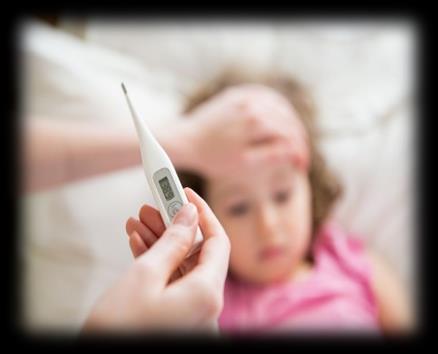
One of the hallmark features of influenza is its sudden onset. Many parents notice that their child seems completely well in the morning but develops a high fever and significant fatigue only a few hours later. Common symptoms include fever, chills, cough, a runny or congested nose, sore throat, muscle aches, fatigue, and decreased appetite. Some children may also experience gastrointestinal symptoms such as nausea, vomiting, or diarrhea, which tend to occur more frequently in children than in adults.In infants, symptoms may be less obvious. Instead of the typical flu presentation, a baby may simply feed less than usual, appear more irritable, sleep more than normal, or show a noticeable decrease in activity.
Influenza or the Common Cold?
Many parents find it difficult to distinguish between a cold and the flu. While both illnesses can cause respiratory symptoms, a common cold usually develops gradually and tends to be milder. Influenza, on the other hand, often begins abruptly and is more likely to cause high fever, significant fatigue, muscle aches, and a noticeable decline in a child’s overall condition.As a result, children with influenza often appear much more unwell and less interested in playing or participating in their usual activities than children with a simple cold.
Home Care: How Parents Can Help Their Child Recover
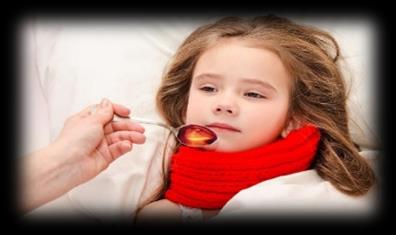
Fortunately, most children recover from influenza at home without requiring hospitalization. One of the most important aspects of care is ensuring adequate hydration. Fever and increased breathing rates can lead to fluid loss, placing children at risk of dehydration. If you have an infant, offering breast milk more frequently can help maintain hydration. For older children, encourage regular intake of water, soups, and other age-appropriate fluids.Signs such as a dry mouth, fewer wet diapers, decreased urination, crying without tears, or excessive sleepiness may indicate dehydration and should be taken seriously. Rest is equally important. The immune system functions most effectively when the body is allowed sufficient time to recover. If your child wants to sleep more or seems less active than usual, this is often part of the normal healing process. If fever is causing discomfort, fever-reducing medications may be used according to your healthcare provider’s recommendations and your child’s age and weight. Creating a comfortable environment can also help your child feel better. Dressing them in lightweight clothing, keeping the room at a comfortable temperature, and ensuring good ventilation can all contribute to their recovery. Regular handwashing and cleaning frequently touched surfaces can help reduce the spread of infection to other family members.


When Should You Seek Medical Attention?
Although most cases of influenza resolve without complications, certain symptoms require prompt medical evaluation. You should contact a healthcare professional immediately if your child develops difficulty breathing, unusually rapid breathing, or chest retractions, where the skin pulls inward between the ribs during breathing.Other warning signs include bluish lips or skin, extreme drowsiness, difficulty waking up, refusal to drink fluids, signs of dehydration, seizures, or a fever that returns after the child initially seemed to improve. In infants younger than three months of age, any fever should be considered a medical concern and evaluated promptly.

Preventing Influenza
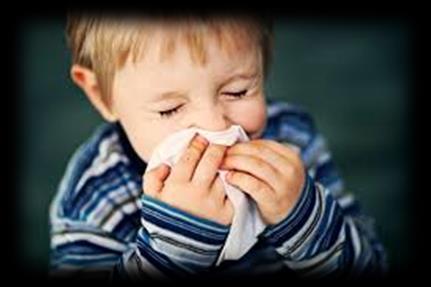
The most effective way to protect children against influenza is annual vaccination for everyone six months of age and older, unless otherwise advised by a healthcare professional. In addition to vaccination, simple preventive measures can significantly reduce the risk of infection.Frequent handwashing, avoiding close contact with sick individuals, maintaining good ventilation in indoor spaces, and teaching children proper cough and sneeze etiquette all help limit the spread of the virus. Regular cleaning of toys and frequently touched surfaces can provide additional protection.


Final Thoughts
Influenza is not exclusively a winter illness. Even during the summer months, it can affect infants and young children and occasionally lead to serious complications. By recognizing symptoms early, encouraging adequate fluid intake and rest, and knowing when to seek medical attention, parents can play a crucial role in helping their children recover safely.A fever and cough in the middle of summer may not always be just a simple cold. Keeping influenza in mind can help ensure that your child receives the care and attention they need when they need it most.
Author:
Dr. Akhlaghipor, MD
You may have experienced this situation yourself: on a warm summer day, your child suddenly develops a fever, becomes unusually tired, and starts coughing. Your first thought might be, “It can’t be the flu—it’s summer!”However, influenza is not limited to the colder months of the year. Although flu activity typically peaks during autumn and winter, influenza viruses can circulate year round and still cause infections during the summer. This is especially important for parents of infants and preschool-aged children, as children under five years of age—and particularly those younger than two—are at greater risk of developing flu-related complications.
What Is Influenza and How Does It Spread?
Influenza is a contagious viral infection that affects the respiratory system, including the nose, throat, and sometimes the lungs. The severity of the illness can range from mild symptoms to serious disease requiring hospitalization. The virus spreads primarily through respiratory droplets released when an infected person coughs, sneezes, or even talks. It can also spread when a child touches a contaminated surface and then touches their eyes, nose, or mouth. During the summer months, family gatherings, travel, daycare attendance, and indoor play areas can all create opportunities for the virus to spread from person to person.
Recognizing Flu Symptoms in Infants and Young Children
One of the hallmark features of influenza is its sudden onset. Many parents notice that their child seems completely well in the morning but develops a high fever and significant fatigue only a few hours later. Common symptoms include fever, chills, cough, a runny or congested nose, sore throat, muscle aches, fatigue, and decreased appetite. Some children may also experience gastrointestinal symptoms such as nausea, vomiting, or diarrhea, which tend to occur more frequently in children than in adults.In infants, symptoms may be less obvious. Instead of the typical flu presentation, a baby may simply feed less than usual, appear more irritable, sleep more than normal, or show a noticeable decrease in activity.
Influenza or the Common Cold?
Many parents find it difficult to distinguish between a cold and the flu. While both illnesses can cause respiratory symptoms, a common cold usually develops gradually and tends to be milder. Influenza, on the other hand, often begins abruptly and is more likely to cause high fever, significant fatigue, muscle aches, and a noticeable decline in a child’s overall condition.As a result, children with influenza often appear much more unwell and less interested in playing or participating in their usual activities than children with a simple cold.
Home Care: How Parents Can Help Their Child Recover
Fortunately, most children recover from influenza at home without requiring hospitalization. One of the most important aspects of care is ensuring adequate hydration. Fever and increased breathing rates can lead to fluid loss, placing children at risk of dehydration. If you have an infant, offering breast milk more frequently can help maintain hydration. For older children, encourage regular intake of water, soups, and other age-appropriate fluids.Signs such as a dry mouth, fewer wet diapers, decreased urination, crying without tears, or excessive sleepiness may indicate dehydration and should be taken seriously. Rest is equally important. The immune system functions most effectively when the body is allowed sufficient time to recover. If your child wants to sleep more or seems less active than usual, this is often part of the normal healing process. If fever is causing discomfort, fever-reducing medications may be used according to your healthcare provider’s recommendations and your child’s age and weight. Creating a comfortable environment can also help your child feel better. Dressing them in lightweight clothing, keeping the room at a comfortable temperature, and ensuring good ventilation can all contribute to their recovery. Regular handwashing and cleaning frequently touched surfaces can help reduce the spread of infection to other family members.
When Should You Seek Medical Attention?
Although most cases of influenza resolve without complications, certain symptoms require prompt medical evaluation. You should contact a healthcare professional immediately if your child develops difficulty breathing, unusually rapid breathing, or chest retractions, where the skin pulls inward between the ribs during breathing.Other warning signs include bluish lips or skin, extreme drowsiness, difficulty waking up, refusal to drink fluids, signs of dehydration, seizures, or a fever that returns after the child initially seemed to improve. In infants younger than three months of age, any fever should be considered a medical concern and evaluated promptly.
Preventing Influenza
The most effective way to protect children against influenza is annual vaccination for everyone six months of age and older, unless otherwise advised by a healthcare professional. In addition to vaccination, simple preventive measures can significantly reduce the risk of infection.Frequent handwashing, avoiding close contact with sick individuals, maintaining good ventilation in indoor spaces, and teaching children proper cough and sneeze etiquette all help limit the spread of the virus. Regular cleaning of toys and frequently touched surfaces can provide additional protection.
Final Thoughts
Influenza is not exclusively a winter illness. Even during the summer months, it can affect infants and young children and occasionally lead to serious complications. By recognizing symptoms early, encouraging adequate fluid intake and rest, and knowing when to seek medical attention, parents can play a crucial role in helping their children recover safely.A fever and cough in the middle of summer may not always be just a simple cold. Keeping influenza in mind can help ensure that your child receives the care and attention they need when they need it most.
Author:
Dr. Akhlaghipor, MD
Most Talked About Posts

You May Also Like
Staff Picks
Heading Back to School with Covid-19 – Handling Big and Small Feelings and Different Perspectives

Relationship Capital: The Competitive Advantage Great Schools Can’t Afford To Ignore

The Gut–Brain Link in Children: Unlocking the Secret to Stronger Immunity, Focus, and Emotional Health

Now Trending





Our Newsletter
Duplicate Email Found!
Well this is embarrassing... It looks like is already registered.
We have just sent an email to that address with a link to manage the subscription with us. If you don't see a message in the next five minutes, check the spam or junk folders, it's definitely there.
See you soon!

Join Our Newsletter
Hey, Thanks For Subscribing!
Please check for a confirmation message and ensure you add us to a safe email list.
If you don't see a message in the next five minutes, check your spam or junk folders and mark our emails safe for next time.
See you soon!
Duplicate Email Found!
Well this is embarrassing... It looks like is already registered.
We have just sent an email to that address with a link to manage the subscription with us. If you don't see a message in the next five minutes, check the spam or junk folders, it's definitely there.
See you soon!