Sending a child to childcare is a major milestone that frequently triggers separation anxiety, tears, and morning power struggles. While it feels daunting, parents can actively shape their child’s response using gentle, evidence-based behaviour modification techniques. By shifting how we reinforce routines, we can transform stressful drop-offs into moments of confidence.
Grounding Practice in Developmental Science
To understand why behaviour modification works so effectively during transitions, it helps to look at foundational developmental research. In the influential parenting guide Mind in the Making: The Seven Essential Life Skills Every Child Needs, author Ellen Galinsky draws extensively on the groundbreaking research from the Center on the Developing Child at Harvard University.
Galinsky highlights how critical executive function, self-regulation, and coping mechanisms are for young children. When children face new environments like childcare, they experience a shift in their developmental ecosystem. Applying intentional behaviour modification provides the external structure and predictability young brains need to build internal self-regulation over time.
4 Steps to a Smoother Transition
1. Establish a Predictable Goodbye Routine
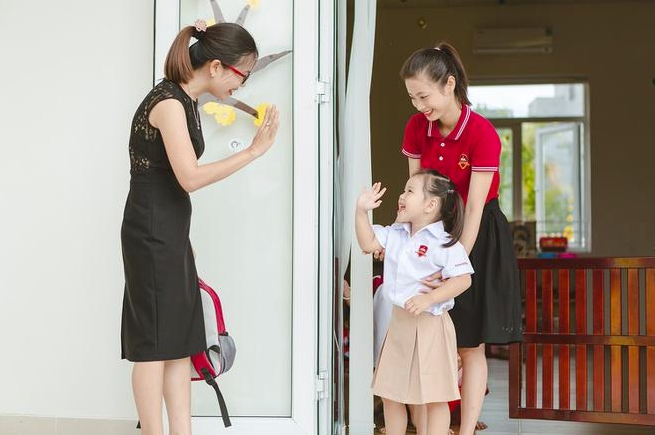
Children thrive on consistency because predictability lessens anxiety. Create a short, loving ritual—such as a special handshake, a consistent hug, and a reassuring phrase like, "I always come back after your afternoon snack."

2. Use Labeled Praise and Positive Reinforcement
Notice and celebrate small cooperative actions. If your child puts on their shoes willingly or calmly walks toward the classroom, offer specific, enthusiastic feedback rather than a generic "good job."
-
Example: "I love how bravely you hung up your backpack and walked into your classroom today!"
-
The Behaviour Trick: Specific praise sparks a positive emotional response, making the child far more likely to repeat those cooperative steps tomorrow.
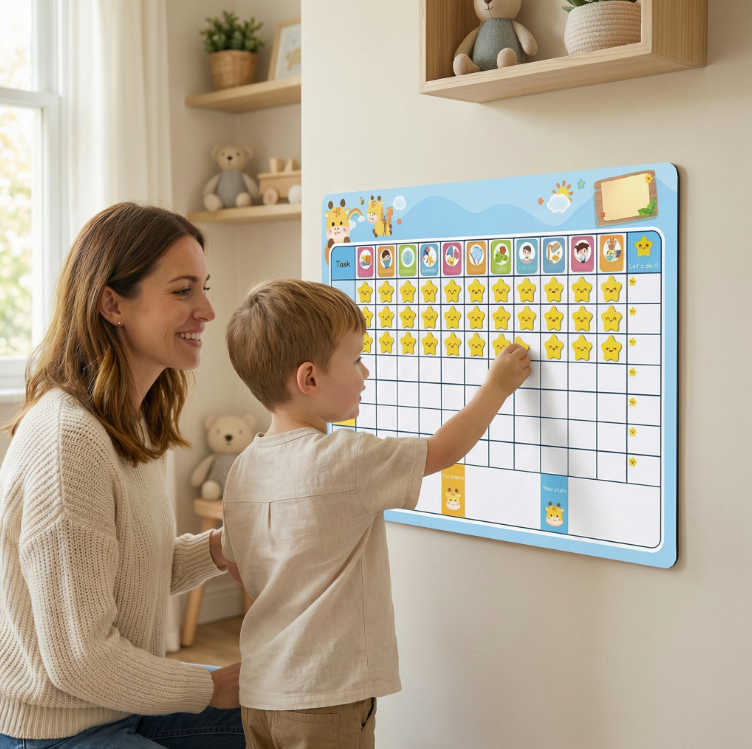
3. Implement Visual Support Tools
Young children process change better through concrete cues. Create a simple sticker or check-off chart leading up to childcare days.
4. Avoid Reinforcing Tantrums (Extinction)
When a child cries at drop-off, our instinct is often to hover, negotiate, or re-enter the room. Unfortunately, doing this accidentally reinforces the meltdown by proving that crying successfully buys more of your time and stalls the separation.
-
The Behaviour Trick: Deliver your goodbye routine with warmth and absolute confidence, then make a clean, loving break. Trust the educators—they specialize in soothing children, and tears typically subside minutes after a parent departs.
Fostering Lifelong Resilience
Behaviour modification is not about control; it is about building a scaffolding of safety around your child as they adapt to a wider world. By staying calm, consistent, and supportive, you teach them that new environments can be safe, exciting places to explore.
What part of the childcare transition routine has been the most challenging for your family so far?
Authored by:
Rose Morsh
BA Child Development,
RECE, Family Professional,
Mediator, Arbitrator


 By Inventive Minds Kidz Academy
 Added Wed, Sep 02 2026